
Home Decor Ideas for People Who Hate Too Many Things on Display
Disclosure: Some of the links in this post are affiliate links. This means if you click on the link and purchase an item, I will receive an affiliate commission at no extra cost to you.
Not everyone enjoys having decorations on every shelf, table, or empty corner of their home. Some people prefer clean surfaces, simple arrangements, and rooms that feel open and easy to move around in. If this sounds like you, I’m very sure decorating your home can sometimes feel like a challenge because you want your space to look beautiful and welcoming, but at the same time, you don’t want it filled with things you have to keep arranging or dusting. These home decor ideas for people who hate too many things on display is specially made for you.
The good news is that you don’t need a lot of decorations to create a lovely home. Sometimes, a few well-chosen pieces can make a bigger difference than a room full of accessories. The secret is knowing what to keep, where to place it and how to make simple details work together.
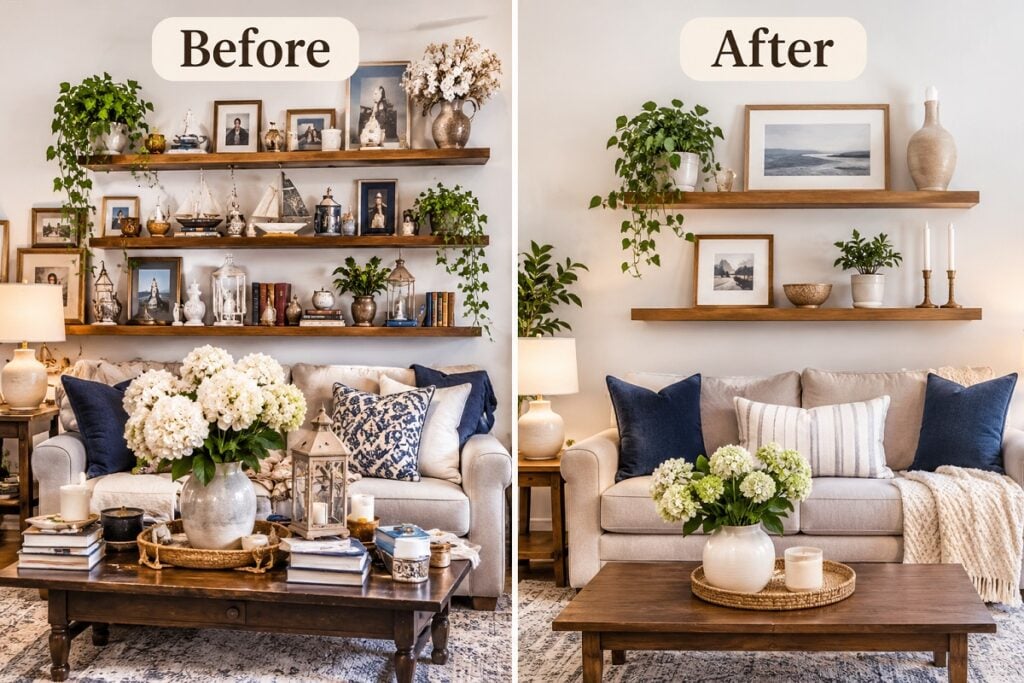
The home decor ideas presented in this blog post will help you create a space that feels comfortable, stylish, and personal without having too many things on your surfaces.
A beautiful home doesn’t need lots of decoration.
You don’t have to fill every shelf, decorate every corner, or get rid of everything you love. The goal is to choose a few meaningful pieces, give them room to stand out, and create a home that feels comfortable without looking crowded.
Home Decor Ideas for People Who Hate Too Many Things on Display in Their Space.
These ideas will help you add personality and warmth to your rooms without overwhelming your eyes or the room
1. Choose a Few Meaningful Decorative Pieces
Instead of decorating every shelf and tabletop, choose a few things you genuinely love. It could be a beautiful vase, a family photograph, a piece of artwork, or something you picked up during your travels.
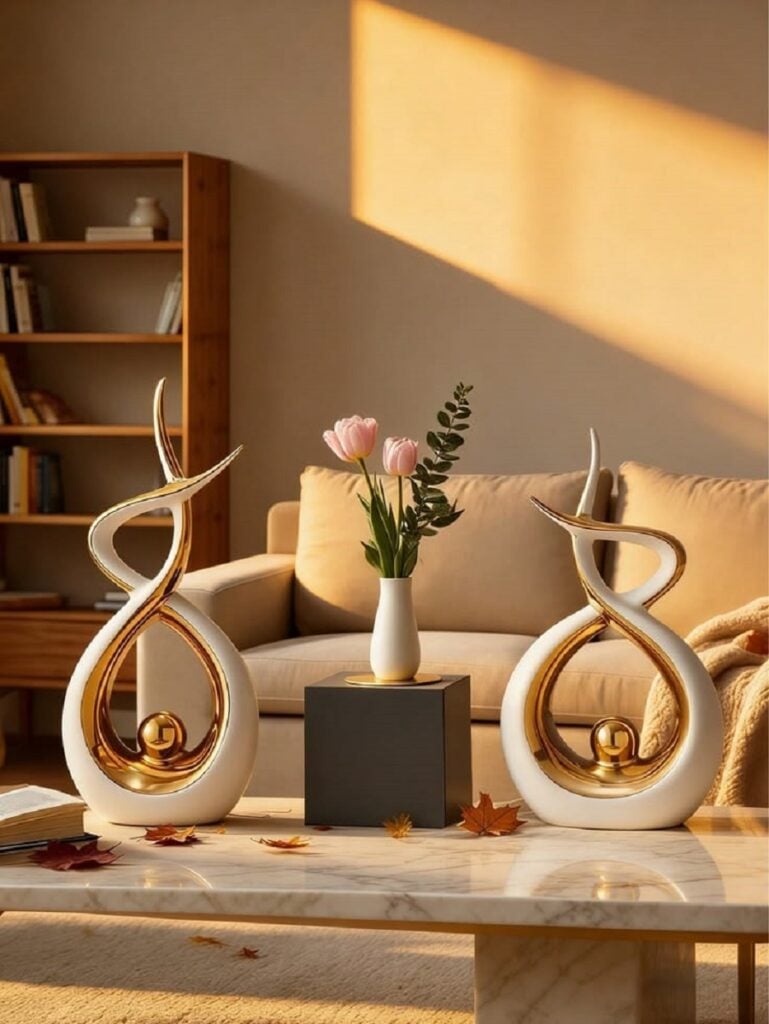
Give each item enough space to stand out. When too many decorations are placed together, it becomes difficult to appreciate any one of them. A single decorative piece on a console table can sometimes make a stronger impression than a collection of smaller accessories.
You also don’t have to display everything you own at once. Keep some of your favorite pieces stored safely and switch them around whenever you want a small change.
2. Let Your Walls Do Some of the Decorating
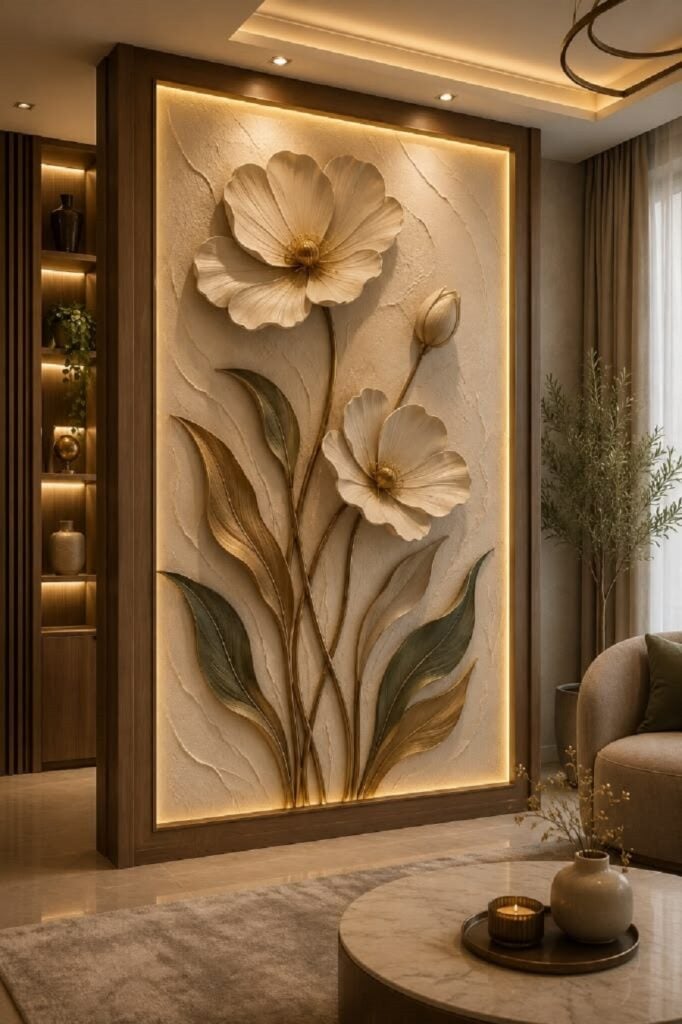
If you don’t enjoy having lots of objects sitting around, use your walls to add character to your home. A beautiful piece of artwork, a large framed photograph, or a simple wall mirror can make a room feel more complete without taking up valuable surface space.
You could hang one large artwork above your sofa or place a mirror in your entryway. Both options create a focal point without adding more things to your tables and shelves.
The key is to avoid filling every empty wall. Choose a spot that would benefit from a little attention and let the rest remain simple.
3. Keep Your Coffee Table Simple
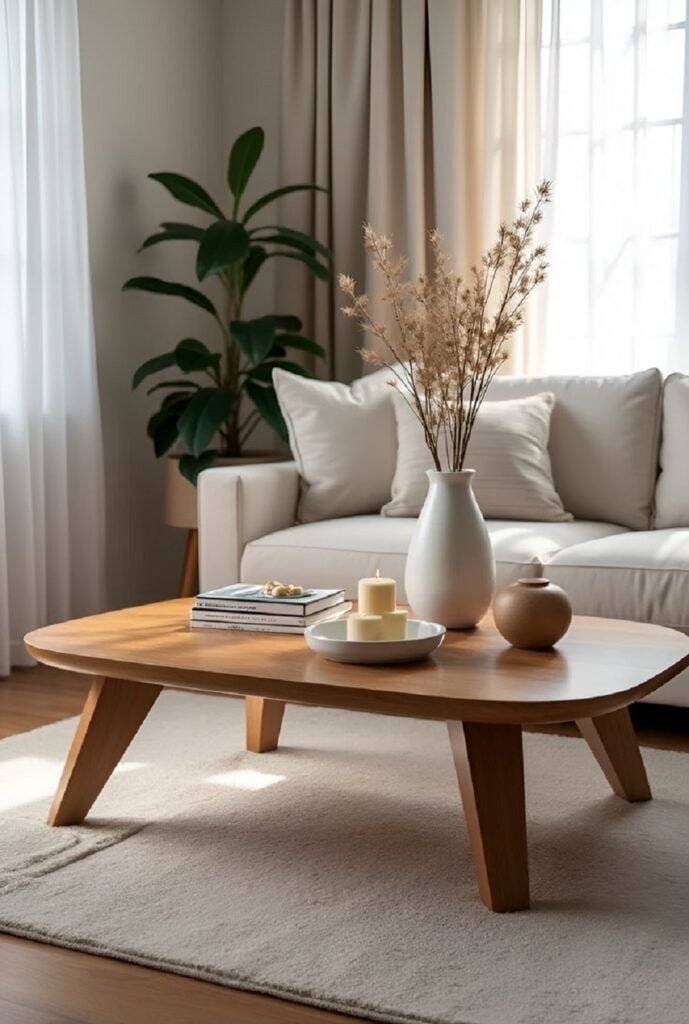
Coffee tables can easily become a collection point for remote controls, magazines, cups, candles, and decorative accessories. Before long, there’s hardly any room left to put anything down.
You don’t need to remove everything, but try keeping only two or three items on display. Or you can try using a small tray with a candle and a vase to make the table look thoughtfully decorated without making it feel crowded.
Leave the remaining space clear for everyday use. Your coffee table should still be comfortable and practical, not just something that looks good in photographs.
4. Use Closed Storage to Hide Everyday Clutter
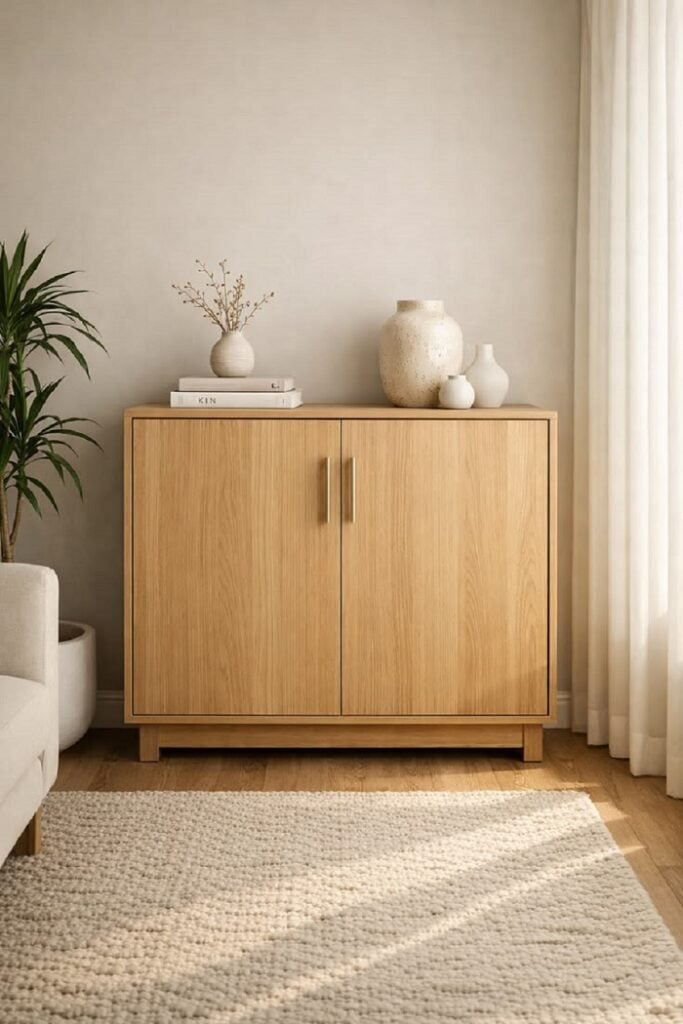
Not everything in your home needs to be visible. Things like chargers, paperwork, toys, spare cables, and small household supplies can make a room feel busy when they’re left out.
Closed cabinets, drawers, storage ottomans, and baskets with lids can help keep these items out of sight while making them easy to access when needed.
For example, a storage ottoman in the living room can hold extra blankets, while a cabinet can keep books, games, and other everyday items neatly tucked away.
This doesn’t mean you have to hide everything you own. It simply means giving everyday belongings a proper place so your decorative pieces have room to stand out.
Don’t miss this:
| 21 brilliant Decluttering Tips that will simplify your Life and Home 25 Storage Solutions you didn’t know you needed (but can’t live without) |
5. Decorate with Plants
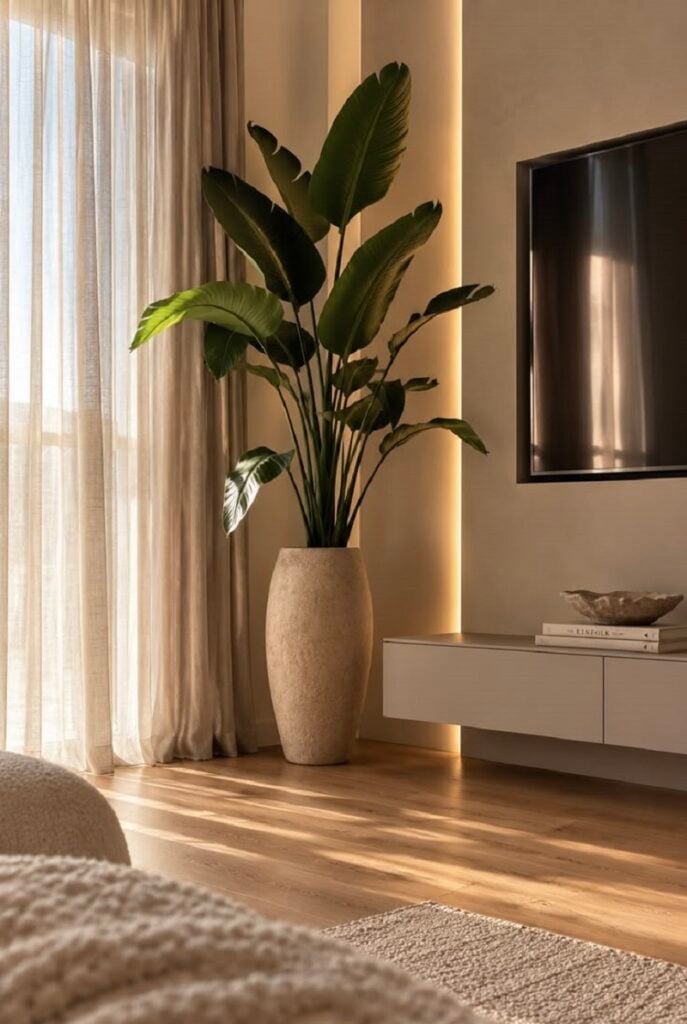
A little greenery can make a room feel fresh and welcoming without requiring lots of decorative accessories. Instead of placing several small ornaments around a room, consider adding one or two plants in areas that feel a little empty.
A tall floor plant beside a window, a medium-sized plant in an empty corner, or a simple vase of fresh flowers on a dining table can add life without making the space feel crowded.
If you don’t have time to care for live plants, good-quality artificial plants are another option. Just choose a few that look natural and avoid placing them everywhere.
You might find these helpful:
6. Choose Statement Furniture
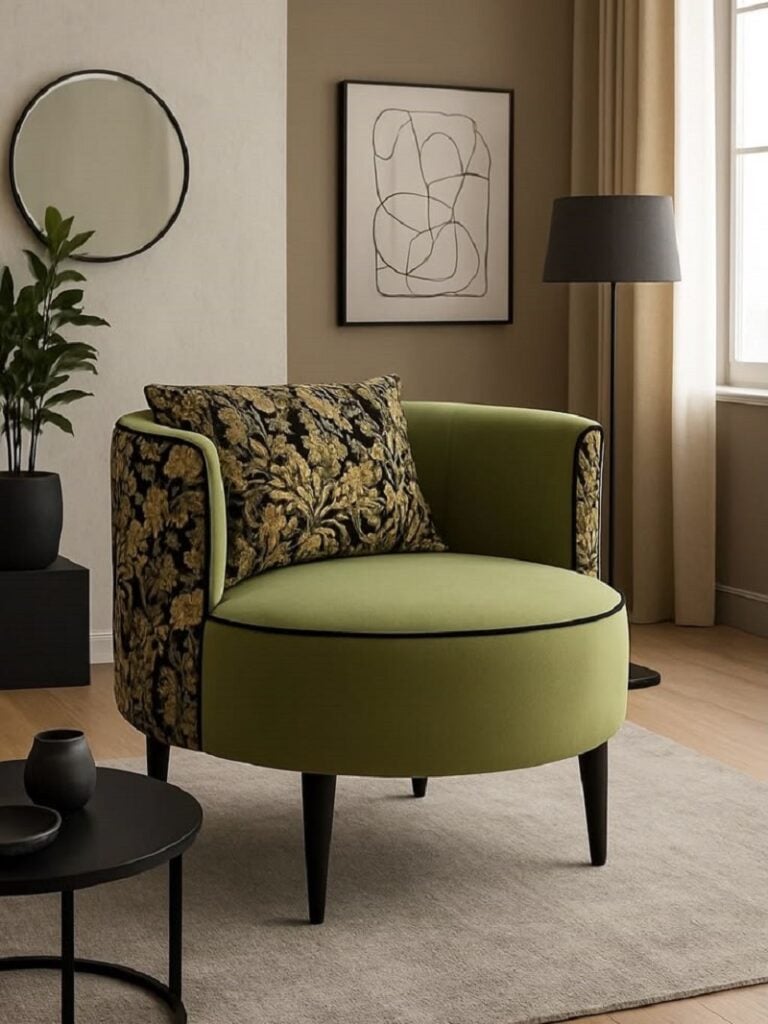
Sometimes, a furniture that can provide enough visual interest can be a great home decor ideas for people who hate too many things on display.
A beautifully shaped armchair, a wooden coffee table, an interesting headboard, or a sofa in a lovely fabric can give a room personality on its own.
When choosing furniture, pay attention to its shape, material, and finish. A piece with an interesting design can become the main feature of a room without needing several accessories around it.
This is especially helpful in smaller homes where too much furniture and decoration can make a room feel cramped.
You may also like:
| 20 Glam Decor Hacks to make your Home Feel Expensive 21 High-end Decor Ideas for an Affordable Glam Look |
7. Keep Shelves Light and Uncluttered
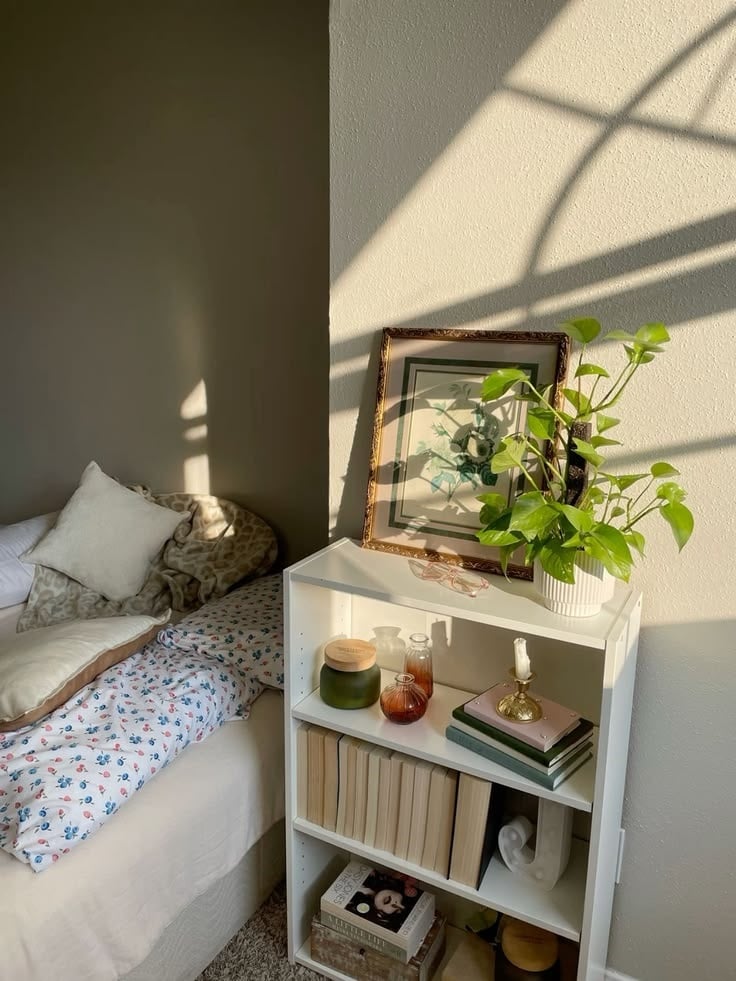
Open shelves can look beautiful, but they can also become one of the easiest places to accumulate unnecessary items. If you enjoy displaying books and a few personal belongings, you don’t have to get rid of your shelves. You just need to be more intentional about what goes on them.
You can try mixing books with a few decorative pieces rather than filling every section. Also, leaving some shelves partly empty creates a more relaxed arrangement.
You might be tempted to place several small objects together simply because there is space available but you must resist because, a few well-arranged items are often easier to appreciate than a shelf filled from end to end.
8. Use Textures to Add Warmth
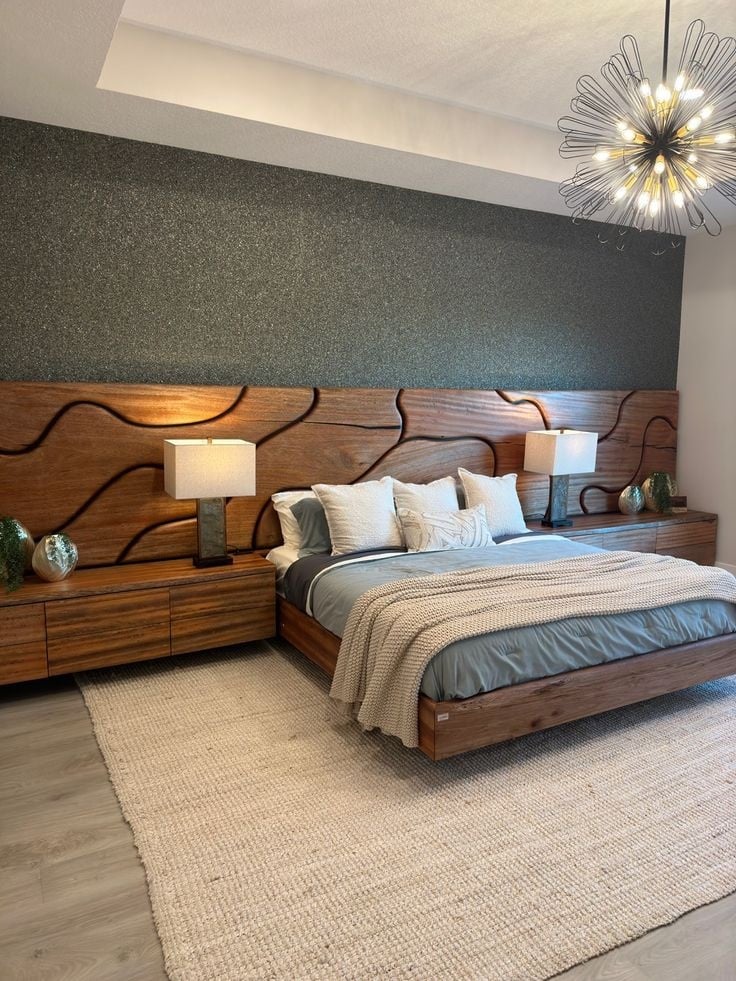
A simple room doesn’t have to feel plain or boring therefore, you might consider decorating using different textures. This is one of the easiest ways to add interest without doing too much.
Think about a soft knitted throw, linen curtains, a textured rug, wooden furniture, or cushions made from natural fabrics. These details make a room feel more inviting without requiring additional ornaments.
You can also combine materials such as wood, cotton, wool, rattan, and linen to create a comfortable look but the key here is balance. Keep the overall arrangement balanced rather than introducing too many different patterns and finishes.
9. Choose Functional Decor
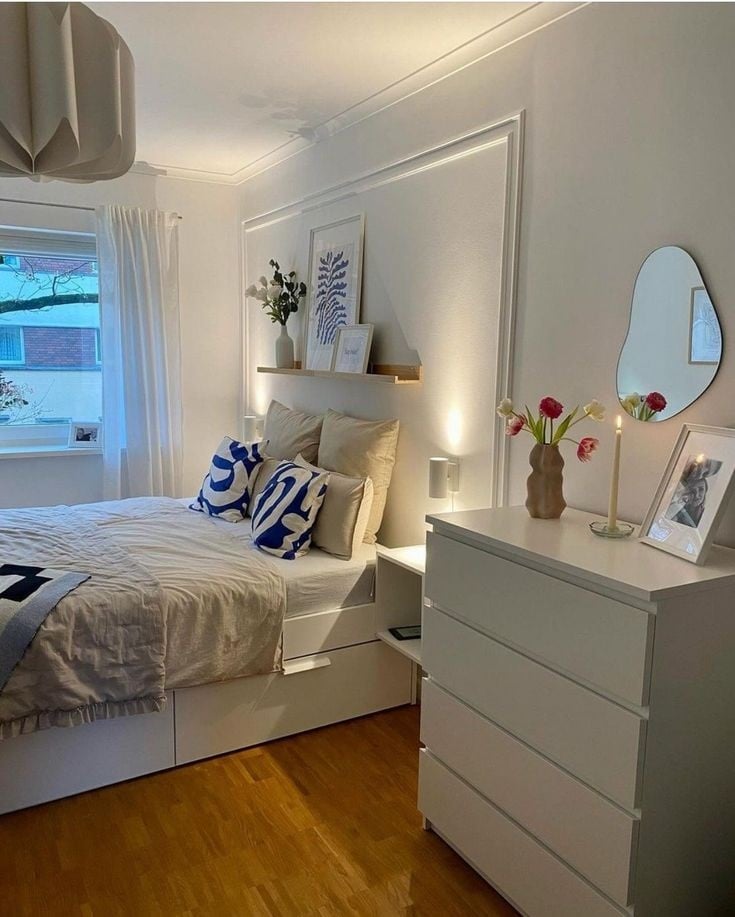
If you don’t like having too many things on display, then you should learn to choose decorative items that also serve a purpose. Some decorative items that are really practical are:
This way, the things you keep around your home are not just taking up space but also making everyday life a little easier.
More helpful ideas:
| 25 Genius Storage Solutions for Small Spaces that instantly maximize Room 22 Multi-Functional Furniture Ideas for a Smart Small Space |
10. Leave Some Empty Space
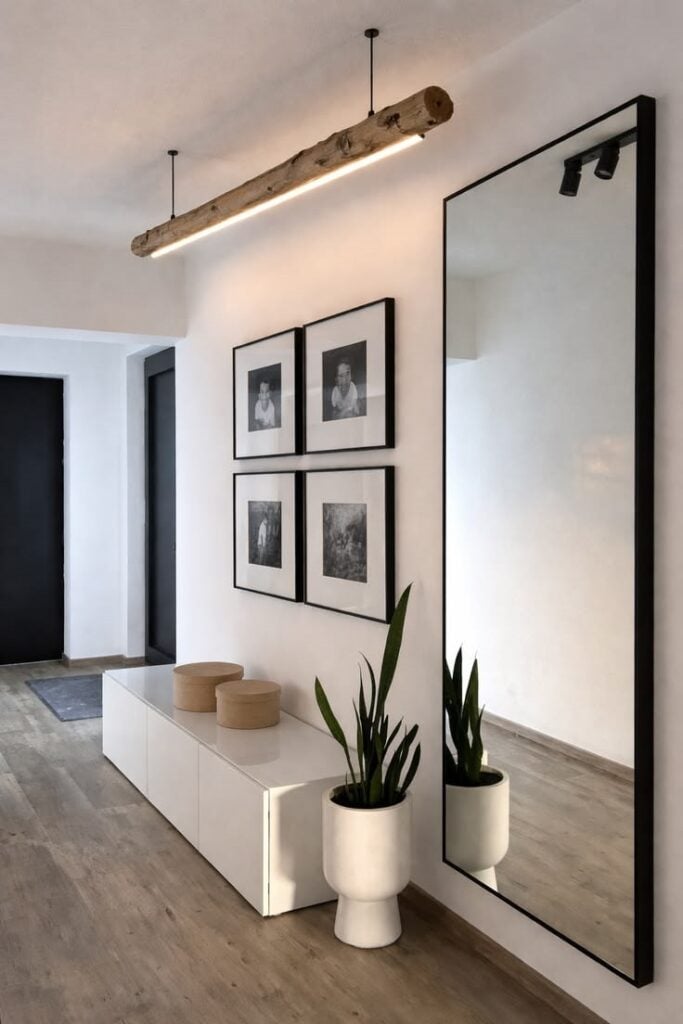
One of the simplest decorating ideas is to resist the urge to fill every empty area. An empty corner, a clear section of a countertop, or a partly bare bookshelf doesn’t necessarily mean something is missing.
Giving your belongings a little breathing room can make the entire room feel more relaxed. It also makes the things you do choose to display easier to notice.
People who hate too many things on display knows that sometimes, leaving spaces alone is exactly what makes a room feel finished.
11. Use Large Artwork Instead of Several Small Frames
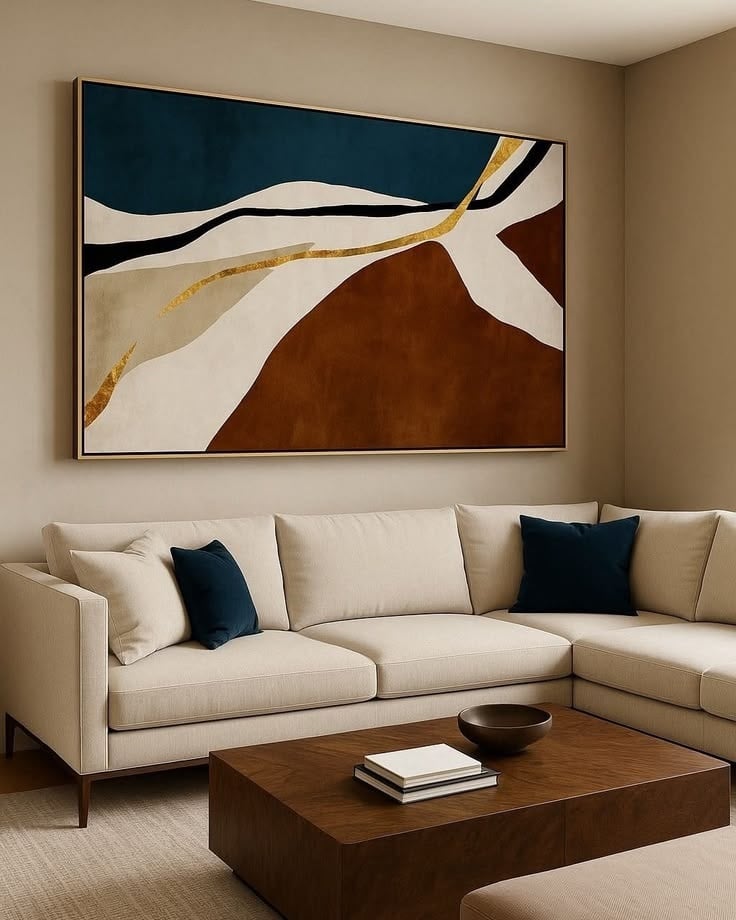
This right here is an important home decor ideas for people who hate too many things on display. If you enjoy artwork but don’t want your walls to look busy, consider choosing one larger piece instead of displaying many small frames.
A large abstract painting, a simple landscape, or a framed photograph can make a lovely focal point above a sofa, bed, or dining table.
This approach gives your walls personality without requiring a gallery arrangement with several different frames. It also makes decorating easier because you have fewer pieces to position and maintain.
Choose artwork that works with the colors and style of your room so it feels like a natural part of the space.
12. Keep Kitchen Counters Mostly Clear
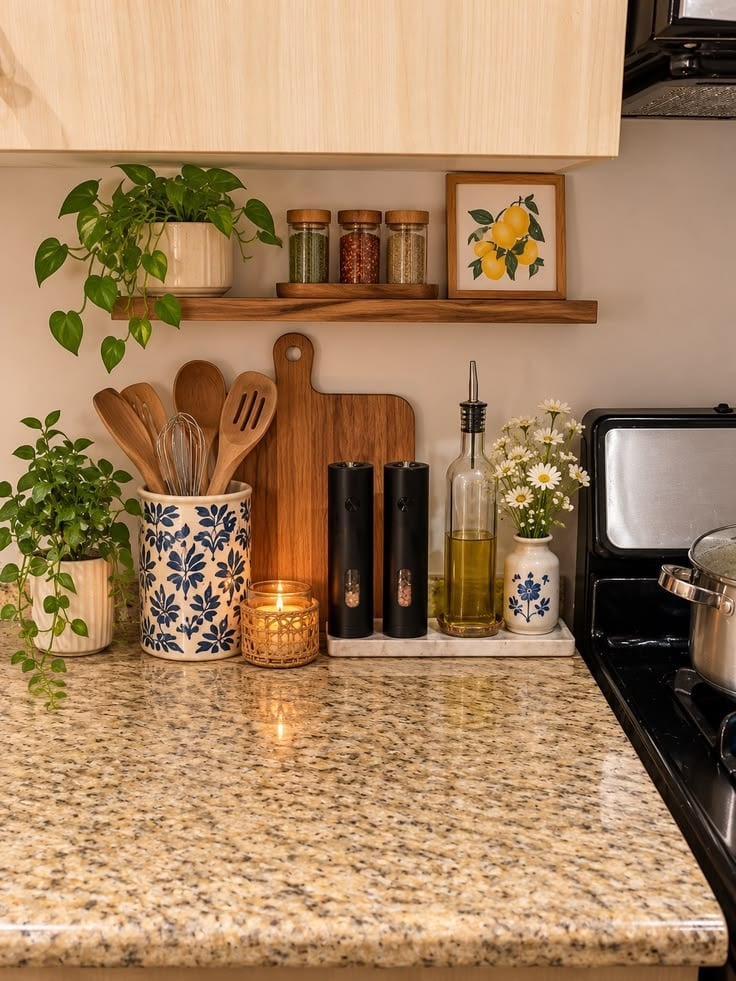
Kitchen countertops often collect more things than we realize. Small appliances, jars, utensils, bottles, and decorative accessories here and there until there’s no available space left.
Start by keeping out only the things you use regularly. Your coffee maker, for example, might deserve a permanent spot if you use it every morning while other appliances can be stored in a cabinet when they are not needed.
You can also group a few frequently used items on a tray instead of spreading them across the counter. A simple fruit bowl or a small vase can add a decorative touch without taking over the space.
A clear countertop makes everyday kitchen tasks easier and gives the room a cleaner appearance.
13. Stick to a Simple Color Palette
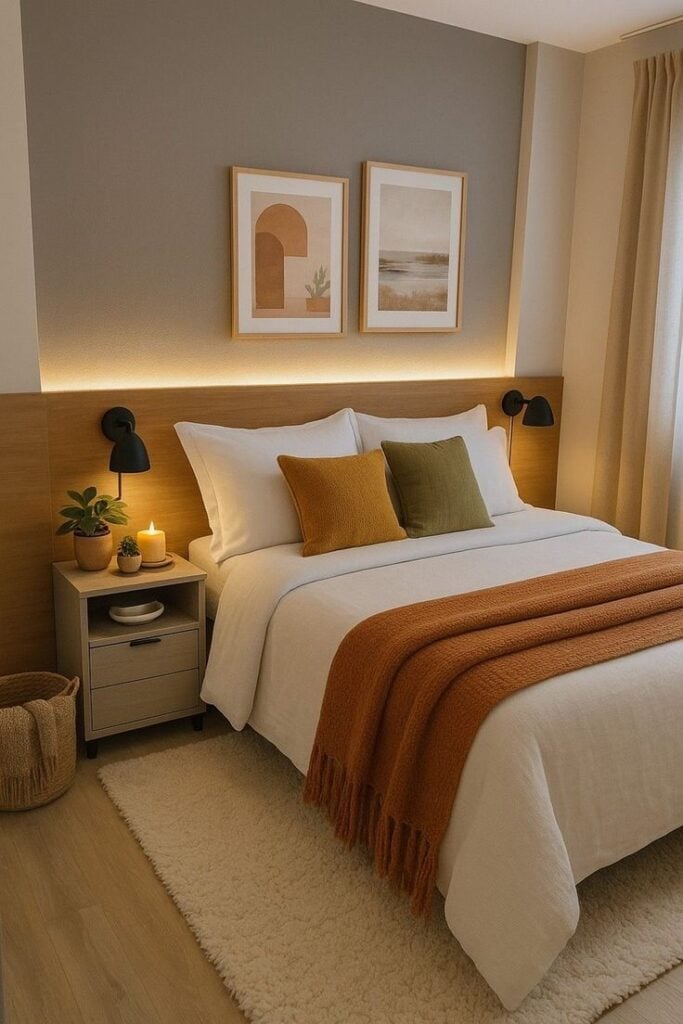
Using too many colors can make a room feel visually busy and chaotic especially when several decorative items, patterns, and finishes are competing for attention.
Using a simple color palette can help everything feel more connected. You might choose warm white, beige, and natural wood for a soft look, or combine gray, cream, and black for something more modern.
This doesn’t mean your home has to be completely neutral. You can still introduce your favorite colors through artwork, cushions, a rug, or one statement piece.
The idea is to choose colors that work well together rather than adding a different color every time you buy something new.
More helpful ideas:
How To Choose the Perfect Color Pallete For Your Home
14. Make Your Bed the Main Focus of the Bedroom
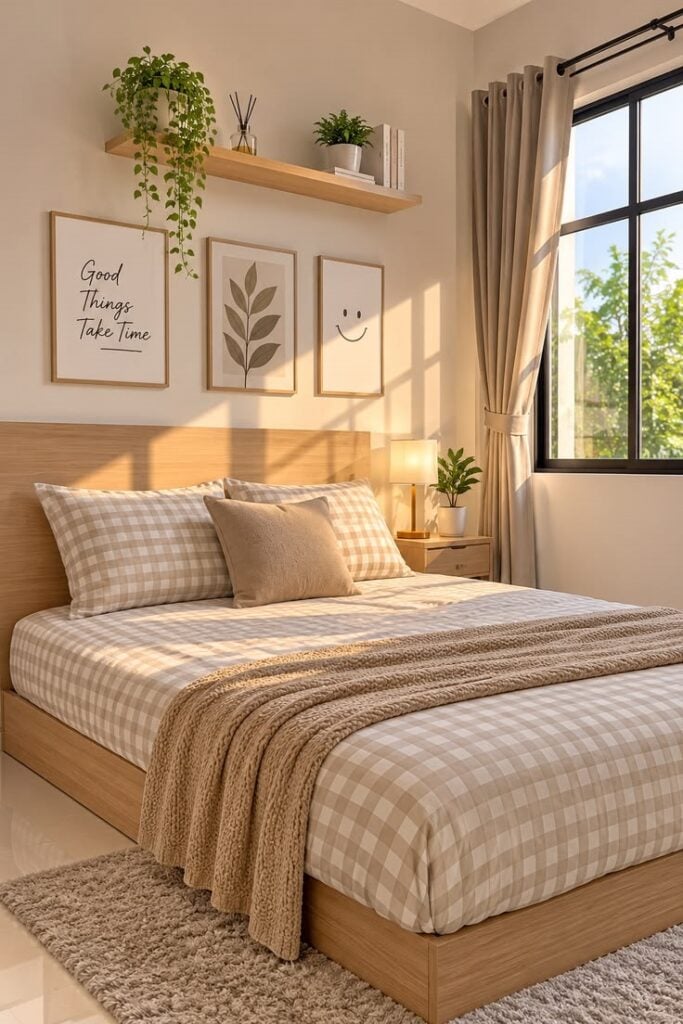
A bedroom doesn’t need lots of decorative accessories to look beautiful. In fact, a well-made bed can do most of the decorating for you.
Choose comfortable bedding in colors you enjoy, add a few pillows, and use a soft throw if you like the layered look. A simple bedside lamp or one framed artwork above the bed can complete the space.
Try keeping your bedside tables mostly clear. You may only need a lamp, your current book, and a small tray for everyday essentials.
This makes the bedroom feel more restful and leaves you with fewer things to move around when cleaning.
15. Rotate Seasonal Decorations Instead of Displaying Everything
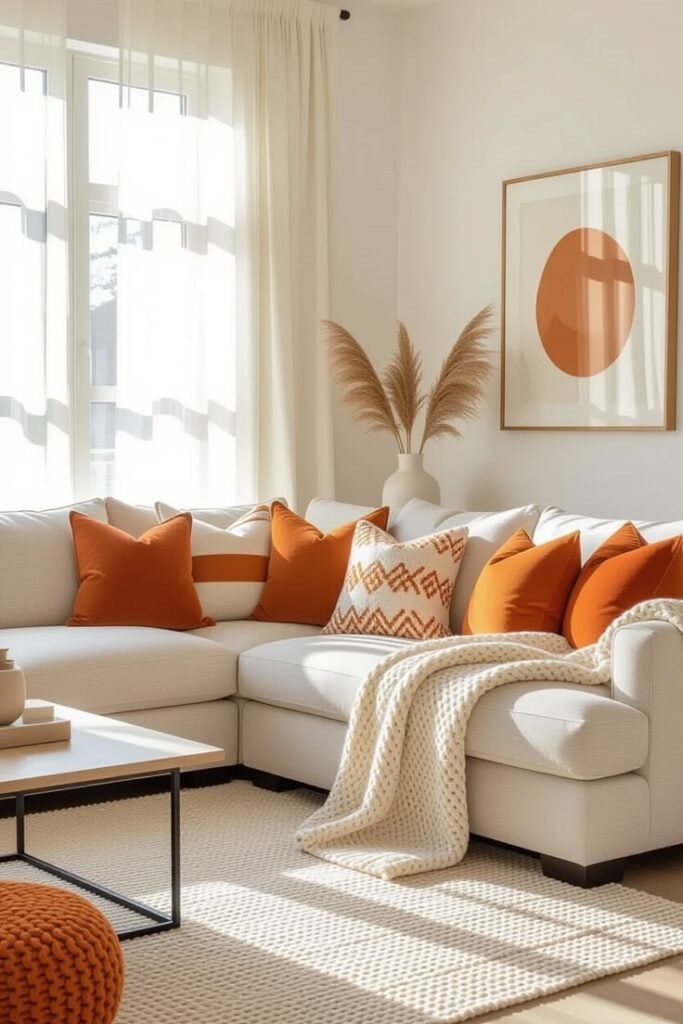
You don’t have to give up seasonal decorating just because you prefer a simple home. You can still enjoy decorating for fall, Christmas, spring, or other special occasions without bringing out every decoration you own.
Choose a few pieces that make the biggest difference. During Christmas, for example, a small tree, a wreath, and a few carefully placed ornaments may be enough to make your home feel festive.
When the season is over, pack those items away before bringing out decorations for the next occasion.
Rotating your decorations also gives you something to look forward to without allowing your storage spaces and living areas to become overcrowded.
Related Reading:
How to Make a Simple Home Feel Cozy, Not Empty.
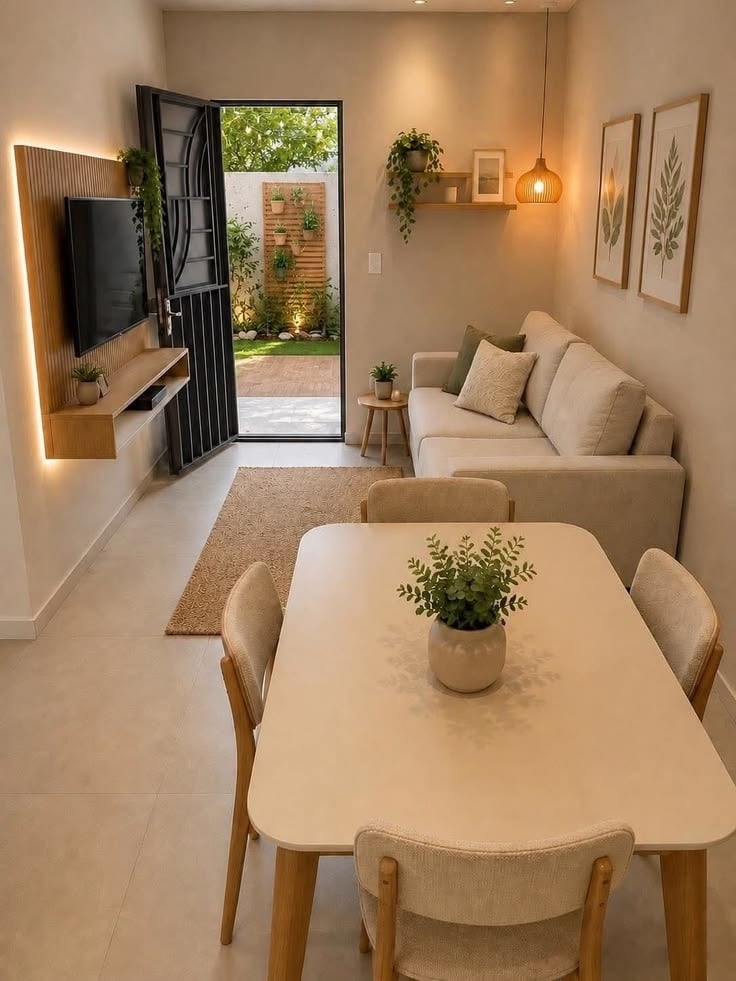
One concern people sometimes have about simple decorating is that their homes might end up looking bare or unfinished. But having fewer things on display doesn’t mean you have to live in a cold, empty-looking space.
The difference often comes down to how you use the pieces you keep.
Start with comfortable furniture, warm lighting, and materials that make the room feel inviting. A soft rug, textured curtains, wooden accents, and comfortable seating can add plenty of character without filling the room with decorations.
Pay attention to lighting, too. A room with only harsh overhead lighting can feel less welcoming, even when it is beautifully decorated. A table lamp or floor lamp can create a softer atmosphere while serving a practical purpose.
You can also add personality through the things you choose to keep. Maybe a favorite painting, a family photograph or any meaningful object but most importantly, don’t feel pressured to fill an empty space just because it looks different from what you see in decorating magazines or on social media.
Your home should work for your lifestyle and make you feel comfortable.
Common Decorating Mistakes to Avoid When You Prefer Less on Display
Keeping your home simple doesn’t mean you have to avoid decorating altogether. However, a few common habits can make it harder for people who hate too many things on display to achieve the look they want.
Buying decorations just to fill empty spaces.
An empty shelf or table doesn’t always need something on it. Before buying another accessory, consider whether the space actually needs it.
Choosing too many small decorative pieces.
Several tiny objects can sometimes create more visual activity than one larger piece. Try choosing fewer, more noticeable items instead.
Hiding everything and leaving no personality.
A clutter-free home should still feel like yours. Keep the photographs, artwork, books, and meaningful objects that make your space special.
Using storage without a clear plan.
Putting everything into baskets and cabinets can help, but it’s important to know where things belong. Otherwise, you may simply move the clutter from one place to another.
Ignoring comfort in the name of minimalism.
Your home should be practical and comfortable, not just neat. Keep the blankets, cushions, lighting, and everyday essentials that make your space enjoyable to live in.
Final Thoughts
You don’t need a house full of decorations to create a beautiful home. Sometimes, the best decorating choices are the ones that leave a little more room for the things you already love.
Start with one room or even one surface. Remove anything that doesn’t need to be there, choose a few pieces you genuinely enjoy, and give them enough space to stand out. You can make other changes gradually as you discover what works best for your home.
At the end of the day, decorating should make your home feel more comfortable, not give you more things to manage. If you prefer fewer things on display, there’s nothing wrong with that. A simple, thoughtfully decorated home can be just as warm, welcoming, and beautiful as one filled with accessories.


